Potty Training a Toddler: What Actually Worked for Us (And What We Learned Along the Way)
Potty training is one of those milestones that feels both exciting and intimidating. Everyone has opinions. Every child is different. And somehow, you’re expected to figure it all out while still managing everyday life.
When we started, I quickly learned that the biggest difference wasn’t the potty itself, it was the preparation beforehand. Having a framework to lean on and giving ourselves permission to adjust as we went changed everything.
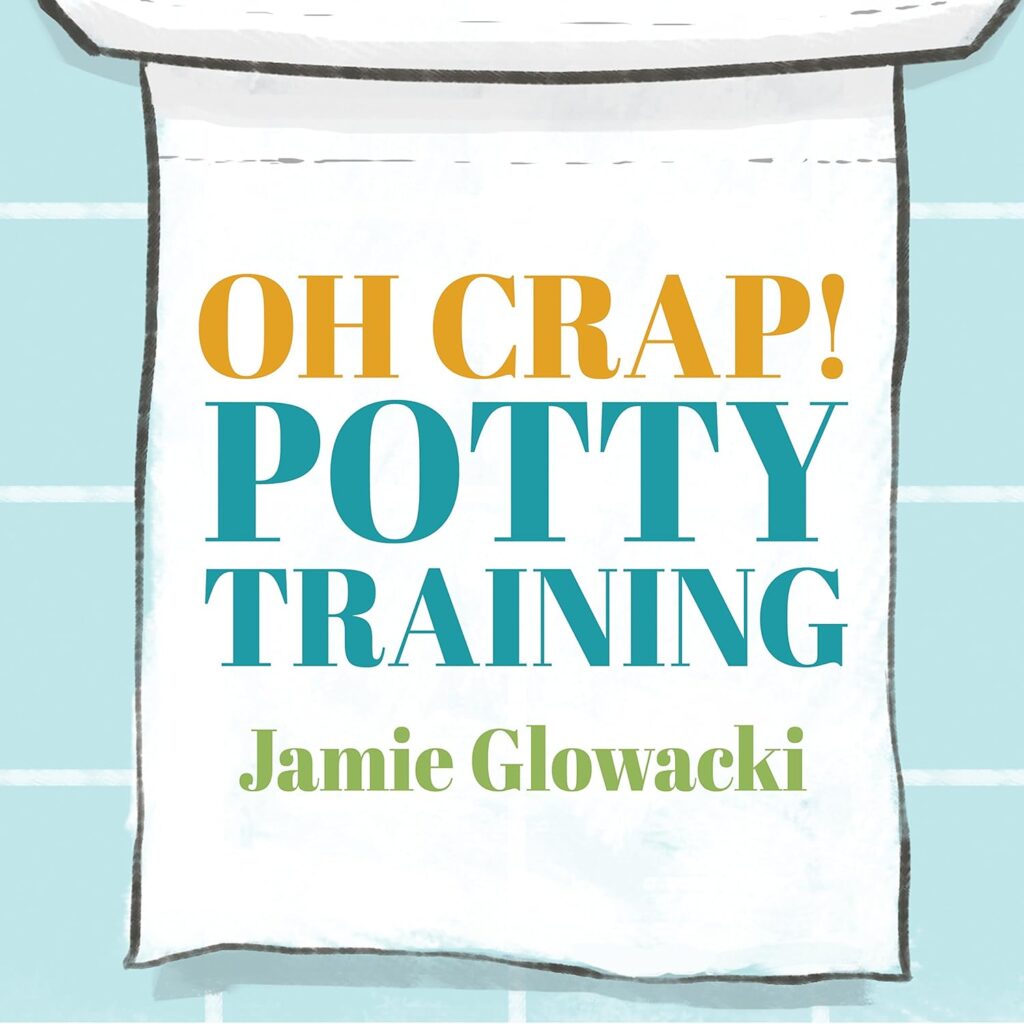
Most of our approach was inspired by Oh Crap! Potty Training by Jamie Glowacki, combined with real-life advice from friends, family, and this community. This post is not rigid by any means, and only a guide for what worked for us.
Here’s a link to my AMAZON STOREFRONT with all our potty training essentials:
Why We Used the Oh Crap Method as Our Starting Point
My wonderful mom friend introduced me to the Oh Crap approach written by Jamie Glowacki. It treats potty training as a learning process, not a one-day event. The book breaks training into “blocks,” starting with awareness and gradually building independence.
We didn’t follow it word-for-word, but we used:
- the block structure
- the idea of learning cues before pushing independence
- the mindset that accidents are part of the process
Visit her website linked here to learn more!
What We Did Before We Started Potty Training
1. We Changed Our Language First
Before removing diapers, we started narrating body awareness:
- “Your body looks like it needs to pee.”
- “Let’s listen to what your body is telling you.”
- “Pee and poop go in the potty.”
2. We Talked About It Casually (Without Pressure)
We read potty books.
We let him see us use the bathroom.
We normalized it without making it a big dramatic milestone.
3. We Practiced the Routine
Before diapers came off, we started:
- Going to the bathroom first thing in the morning
- Sitting (even clothed) on the potty
- Washing hands after
4. We Prepared the Environment
This reduced stress dramatically.
- Easy-on, easy-off pants
- A potty accessible on the main floor
- Supplies ready for accidents (wipes, towels, extra clothes)
- Mentally accepting accidents would happen
How We Approached Potty Training
Block One: Awareness (No Diapers, Staying Home)
The early days focused on awareness. We stayed home and concentrated on learning:
- What it feels like before needing to go
- How to get to the potty
- How to communicate what’s happening
Block Two: Adding Clothes
Once pants were back on, things got trickier. Clothing can feel similar to a diaper, and accidents sometimes increase.
We focused on:
- Practicing pulling pants down independently
- Reinforcing cues early
- Keeping expectations steady
Block Three: Leaving the House
Block Three meant short outings.
We kept it simple:
- Potty before leaving
- Potty upon arrival
- Short trips first
- Always packing spare clothes and shoes
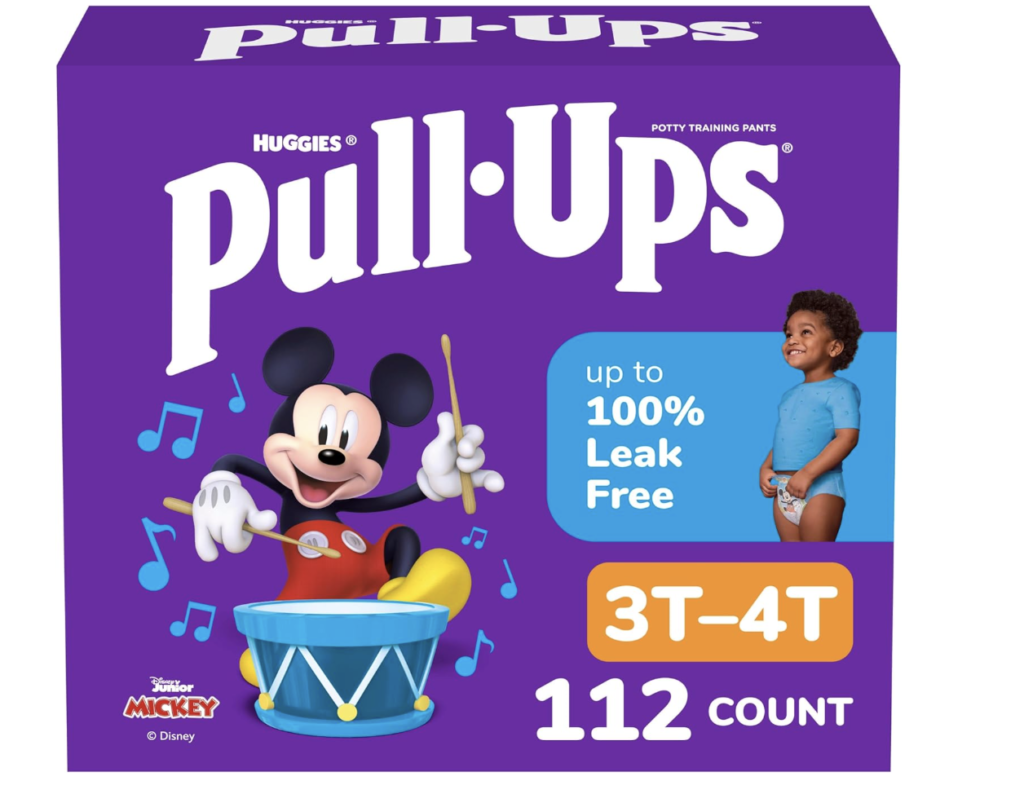
Pull-Ups for Naps and Bedtime
One thing that helped reduce stress for everyone:
👉 Pull-ups for naps and bedtime.
Nighttime dryness is developmental and separate from daytime potty training. Using pull-ups:
- protected sleep
- reduced pressure
- kept morale high
What Made the Biggest Difference for Us
1. Watching Patterns, Not the Clock
Instead of forcing timed potty breaks, we paid attention to cues:
- sudden stillness
- hiding
- pausing play
Gentle prompting worked better than constant reminders.
2. Consistency Over Perfection
Some days felt like huge wins. Other days felt like setbacks.
What helped most:
- using the same language
- staying neutral about accidents
- not changing expectations daily
3. Community Wisdom Matters
Some of the most reassuring advice came from other parents:
- regression happens
- taking a pause is okay
- you’re not behind
Everything We Bought
Here’s what was genuinely helpful:
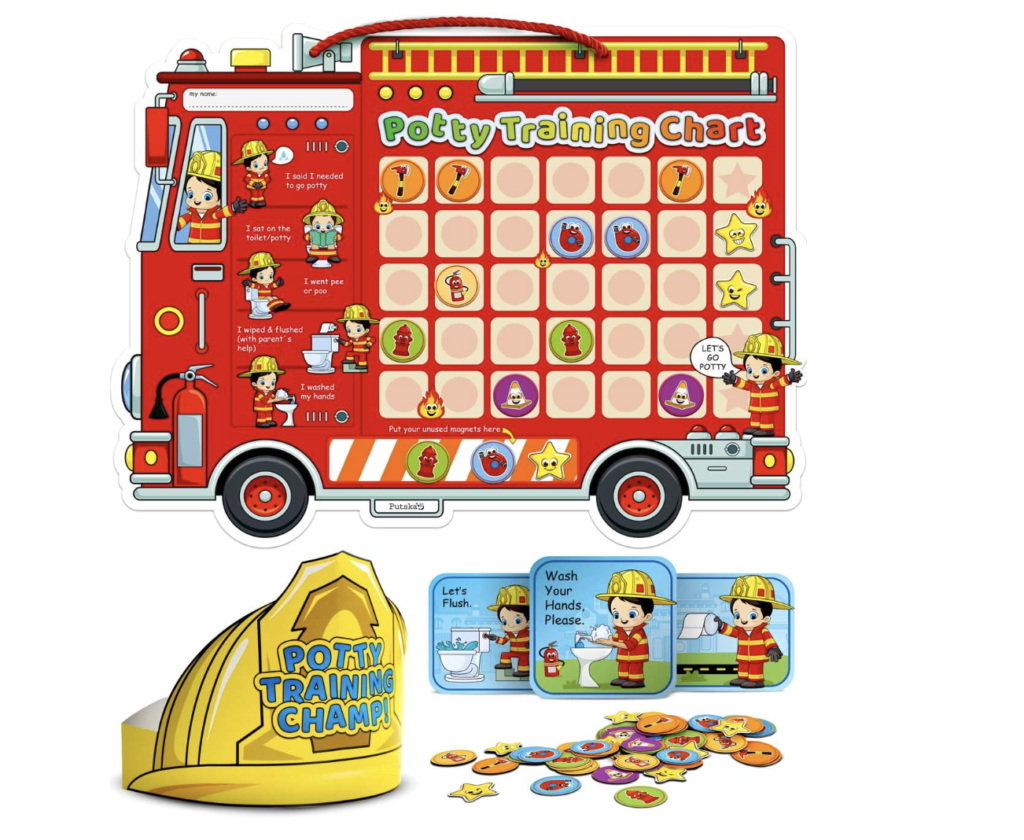
Potty Training Essentials
- A small floor potty (easy access early on)
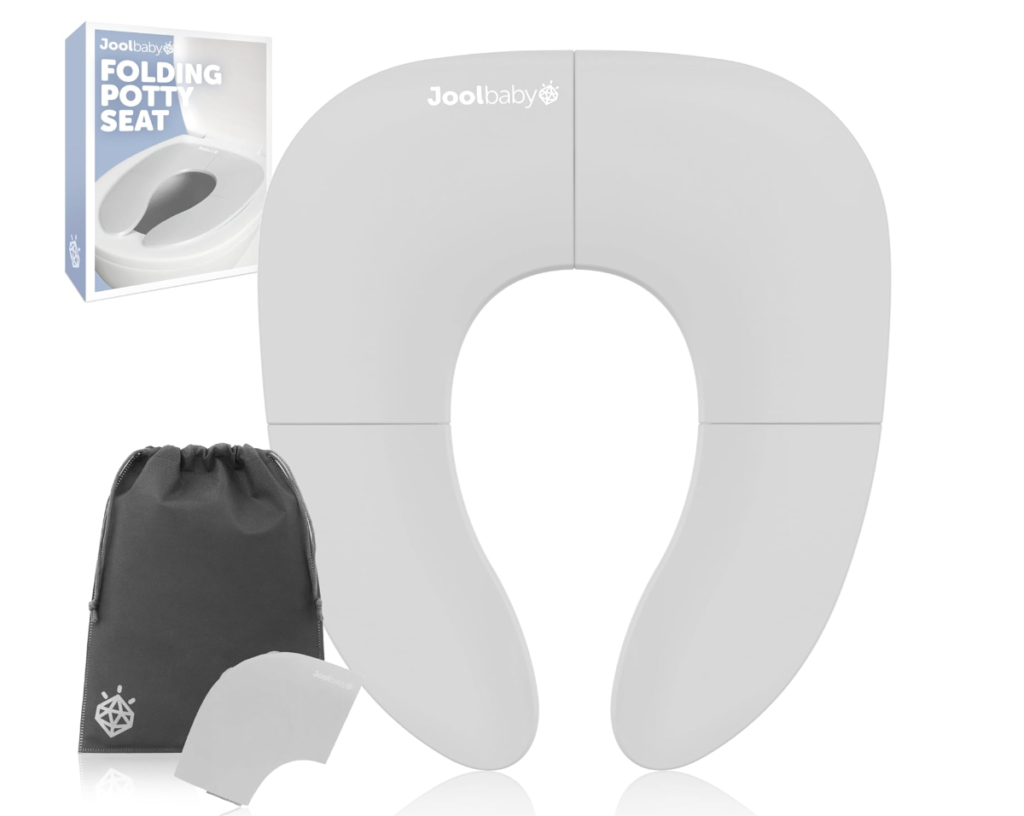
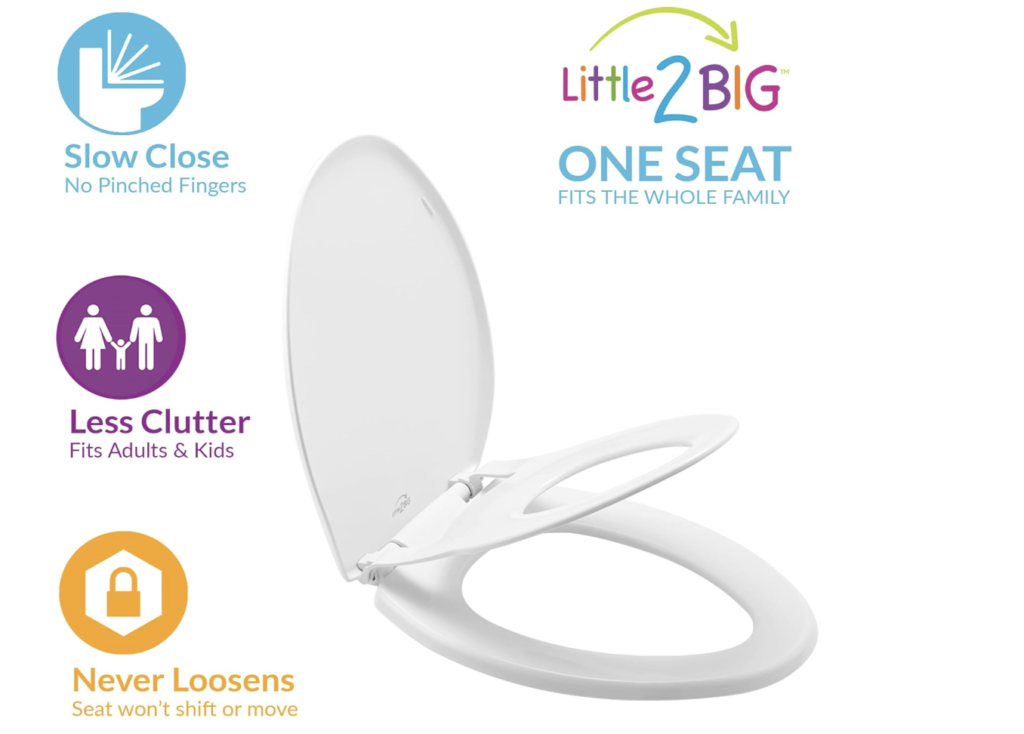
- A seat insert for the regular toilet
- A step stool for independence
Clean-Up + Prep
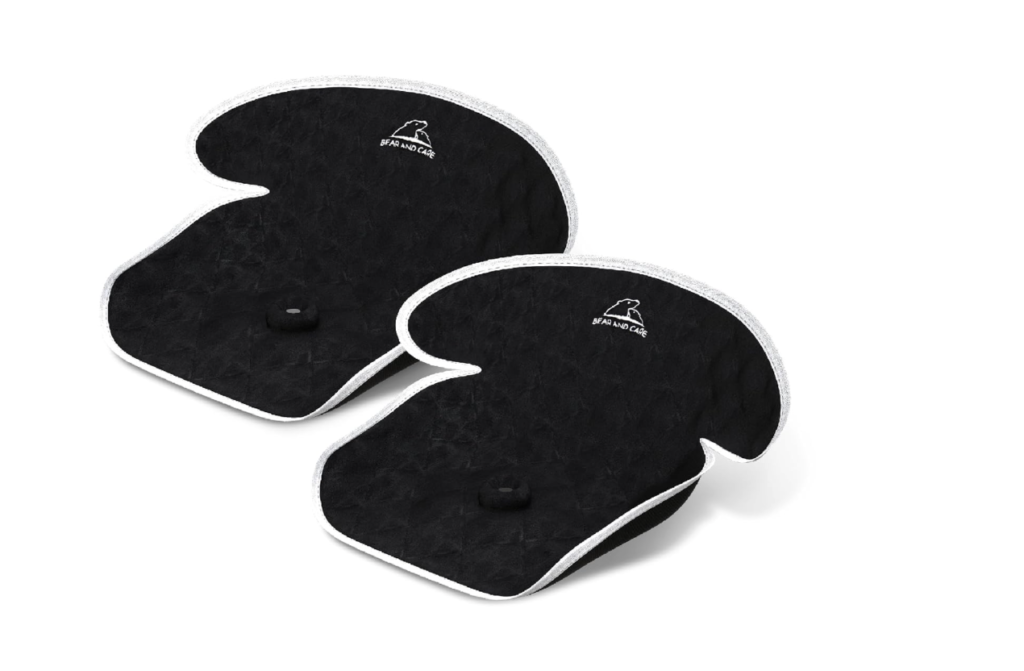
- Extra wipes
- Paper towels (for quick accidents)
- Laundry detergent you don’t mind using often
- Easy-on, easy-off pants
Sleep & Outings
- Pull-ups for naps and bedtime
- Spare clothes for quick changes
You don’t need everything but having the basics ready helps reduce stress.
Final Thoughts
Potty training doesn’t have to be perfect to be successful.
If you’re in the middle of potty training or gearing up for it, know this: you are definitely not alone! Good luck to all my parents out there, you got this!