
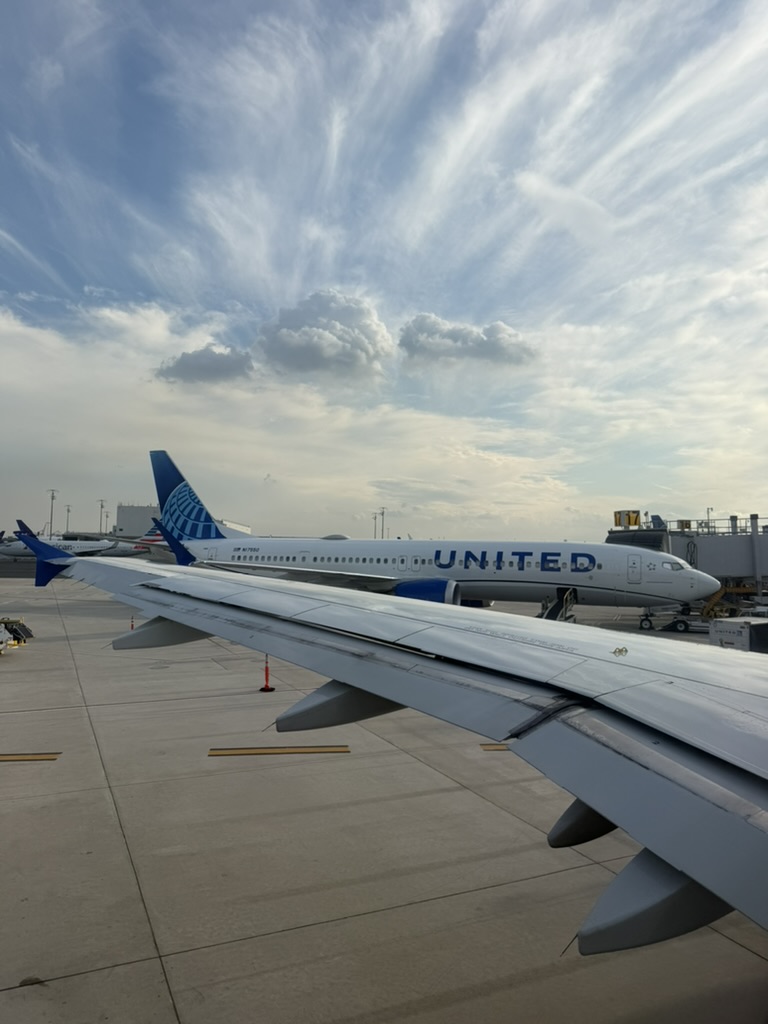
Newark Airport’s Sensory Room at Terminal A: Game Changer for Families
If you’ve ever flown with a toddler, you know airports can feel like chaos disguised as vacation. Between the noise, bright lights, and endless waiting, sometimes you just need five minutes where no one’s melting down.
That’s why I was so happy to discover the sensory room at Newark Liberty International Airport Terminal A. It is a Port Authority of New York & New Jersey initiative located in Terminal A, which is managed by Munich. Designed with inclusivity in mind, the space is intended to support travelers who may feel overwhelmed by the sensory overload of a busy airport environment including neurodivergent individuals, travelers with sensory sensitivities, and families with young children.
According to the Port Authority, Terminal A was thoughtfully designed to improve the passenger experience, with features like quiet spaces, calming environments, and family-friendly amenities that make travel more accessible for everyone.
You can read more about the Terminal A sensory room and other accessibility features in the Port Authority’s official announcement here.

What Is A Sensory Room?
The sensory room is a calm, enclosed area located in select airports designed for travelers who need a break from the busy terminal.
Think of it like a “reset zone” a place with soft lighting, cozy seating, and a soothing atmosphere. It’s perfect for:
- Toddlers who need to burn energy without overstimulation
- Parents who need five quiet minutes before boarding
- Families trying to calm post-security chaos before a long flight
It’s not a playroom, and it’s not meant to be loud. It’s simply a safe, quiet space where your child can regroup… and where you can find your sanity before boarding.

Where to Find One
Port Authority is rolling these out across major hubs. A few places to look:
- Newark Liberty International (EWR): Terminal A
- Chicago O’Hare (ORD): Multi-sensory room near Terminal 2.
- Houston (IAH): Select quiet zones within United concourses.
Each location varies slightly, but the idea is the same.
Why Families Will Love It
- It’s not just for kids who need quiet, it’s for everyone.
Even the most easygoing travelers hit a wall on travel days. The sensory room gives your family a chance to reset without the crowds. - It’s close to United gates.
You don’t have to trek across the airport to find it. The rooms are tucked within United’s terminals, so you can pop in right before boarding. - It makes connections easier.
If you’ve got a layover or delay, this space is everything. It’s so much better than wrangling toddlers at a noisy gate area. - It’s free and easy to access.
No reservations, no cost.
How to Work It Into Your Travel Day
If you’re flying United, here’s how to make the most of the sensory room:
- Scope it out early. Once you clear security, find the room and note how far it is from your gate.
- Plan your timing. I like to use it about 30–45 minutes before boarding.
- Bring small snacks or activities. It’s not a playroom, so keep it mellow: think books, a water bottle, or a quiet toy.
- Use it before long flights. Especially helpful if you’re traveling internationally or during nap time.
Why This Small Detail Makes a Big Difference
What I love most about seeing spaces like this in airports is that they signal a shift in how we think about travel. For families, caregivers, and neurodivergent travelers, these small design choices can make the difference between a stressful travel day and a manageable one.
I hope more airports continue investing in spaces like this and making it easier for everyone to move through the world with a little more support.
Looking for more toddler travel tips? Check out my Top Toddler Plane Travel Toys and my Top Baby Travel Essentials.
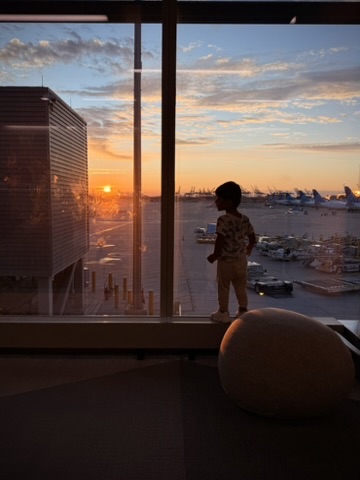
Editor’s note: The sensory room featured in this post is a Port Authority of New York & New Jersey initiative located in Newark Liberty International Airport’s Terminal A, which is operated by Munich Airport. It is not operated by United Airlines. This post has been updated to reflect accurate attribution and additional details about its purpose and use.